Highlights
Responsible influencer marketing
26 Mar 2024
What are self-regulatory organisations?
25 Mar 2022
Data-driven self-regulation initiatives
11 Apr 2022




















Highlights
Responsible influencer marketing
26 Mar 2024
What are self-regulatory organisations?
25 Mar 2022
Data-driven self-regulation initiatives
11 Apr 2022
Our Latest News
-
 Read more
18 Apr 2024
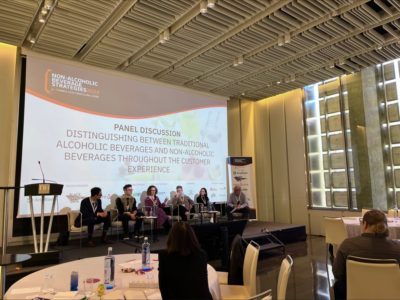
Elevating Trust: Innovative Approaches to Consumer Protection – main takeaways
Yesterday, as part of the European Consumer Summit’s lead-up, the conference ‘Elevating Trust: Innovative Approaches to Consumer Protection’ took place, under the...
-
 Read more
05 Apr 2024
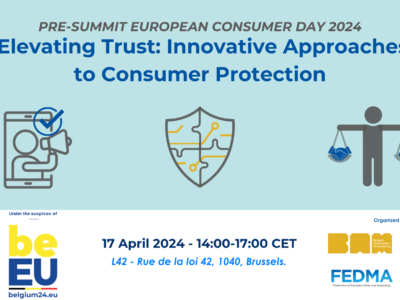
Pre-Summit European Consumer Day 2024 ´Elevating Trust: Innovative Approaches to Consumer Protection´
In the framework of the upcoming European Consumer Summit 2024, EASA, together with FEDMA, BAM and ICC Belgium, has organised a Pre-Summit event, which will take place on 17 April ...
-
 Read more
07 Mar 2024
EASA speaks at third party events – March
In March, EASA had more opportunities to present its work at third-party events, presenting advertising self-regulation as a reliable solution to ensure ads are decent, truthful, a...
About us
The European Advertising Standards Alliance (EASA) is the single authoritative voice on advertising self-regulation issues in Europe.
Advertising self-regulation helps ensure that ads are legal, decent, honest and truthful and by doing so helps create consumer trust in advertising and in brands.
EASA’s 30th anniversary!

Facts & Figures
-
0
TOTAL COMPLAINTS HANDLED
BY EASA’s SRO NETWORK IN 2023 -
0
%COMPLAINTS RESOLVED
WITHIN 1 MONTH -
0
ADS PRE-CLEARED
(by the SROs providing the service) -
0
PIECES of COPY ADVICE
provided by SROs



Address
Follow us